
Latest News
News
This is a subtitle for your new post
This is a subtitle for your new post
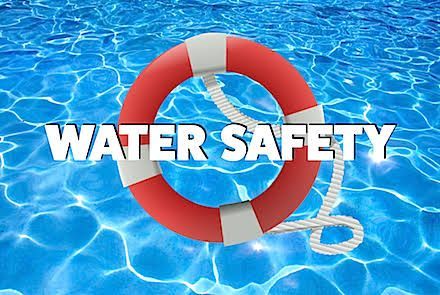
Imagine turning away for just 20 seconds to answer a text message, grab a towel, or speak with another parent. In that brief moment, a child's life can change forever. Unlike what we often see in movies, drowning is usually silent . There is no dramatic splashing or shouting for help. Most children simply slip beneath the surface without attracting attention. It can happen in backyard pools, neighborhood pools, lakes, beaches, bathtubs, and even buckets containing only a few inches of water. The Reality of Childhood Drowning Drowning remains one of the most preventable tragedies affecting children today. According to the Centers for Disease Control and Prevention (CDC): Drowning is the leading cause of death for children ages 1–4 in the United States. For children ages 5–14 , drowning is the second leading cause of unintentional injury-related death , behind only motor vehicle crashes. More than 4,500 people drown each year in the United States—approximately 11 lives every day . These aren't simply statistics. They represent children who were laughing at a birthday party, enjoying a family vacation, or playing in their own backyard just moments before tragedy occurred. Swimming Lessons Save Lives The encouraging news is that drowning is highly preventable. The CDC recognizes formal swimming lessons as one of the most effective strategies for reducing drowning risk among children and young adults. Learning to swim gives children the ability to float, breathe, recover, and move to safety if they unexpectedly enter the water. Swimming lessons also provide children with: Water confidence Proper breathing techniques Floating and recovery skills Safe entries and exits Strong foundational swimming mechanics Respect for water and aquatic environments These skills become lifelong tools that can help protect children in countless situations. Swimming Lessons Are Only One Layer of Protection Parents should remember that swimming lessons never replace supervision. The safest families use multiple layers of protection: Constant adult supervision Formal swim lessons Four-sided pool fencing Coast Guard-approved life jackets CPR training for parents and caregivers Clear family water safety rules Each layer reduces risk. Together, they save lives. A Lifetime Investment Learning to swim isn't simply another extracurricular activity. It is one of the few skills your child will carry for life. Swimming creates safer children, healthier families, and greater confidence around every body of water—from neighborhood pools to family vacations at the beach. At Swim America, we believe every child deserves that opportunity. Because learning to swim isn't just about swimming. It's about coming home safely.